Autobiography of a Yogi: What Stayed With Me
How Autobiography of a Yogi awakened my curiosity about yoga — and taught me something about the willingness to stay with a path.
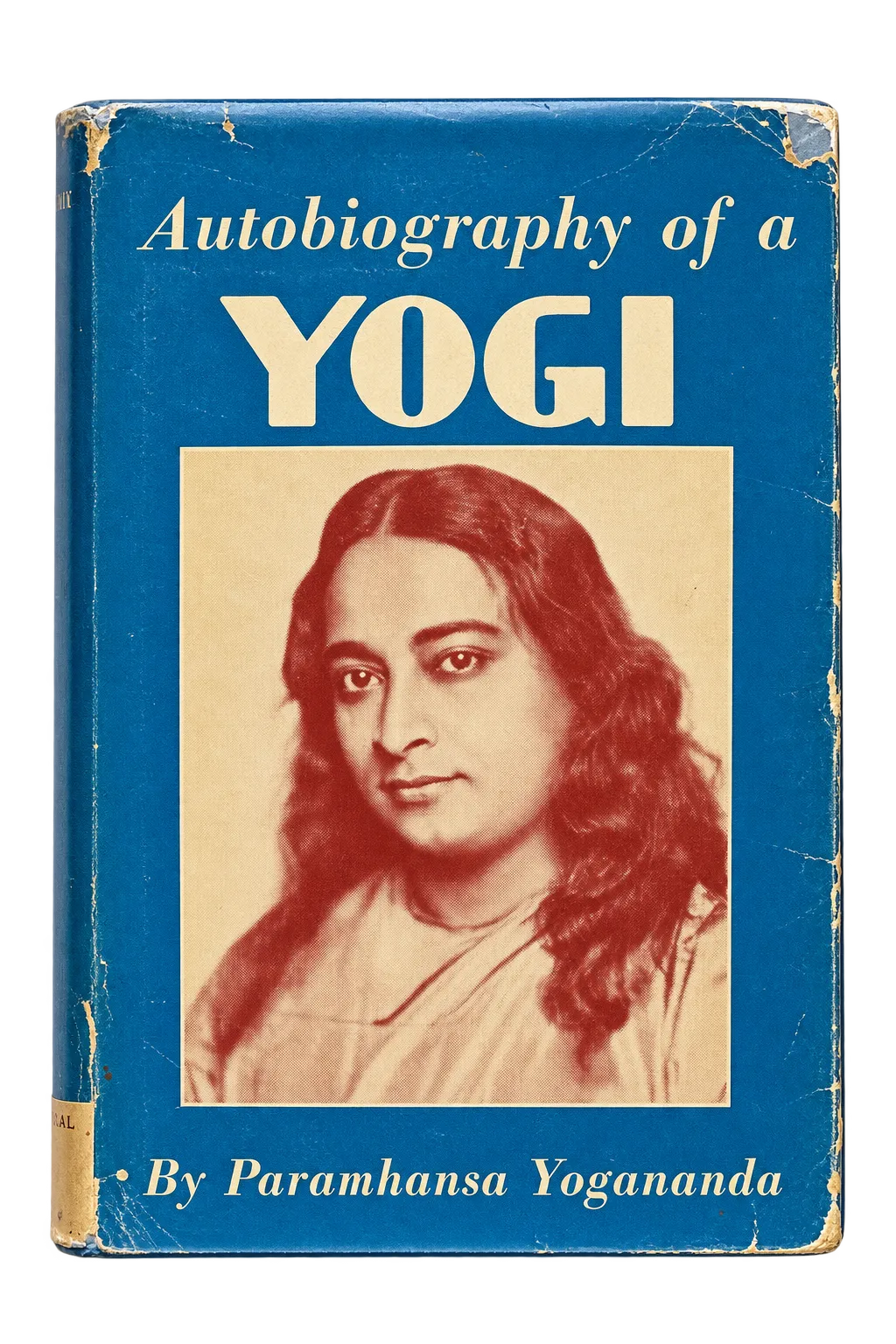
I found Autobiography of a Yogi almost entirely by accident.
I bought an ebook copy, added it to my Books library — and didn't read it.
It sat there for about a year.
Then one day I opened it.
For the next two days, I could hardly put it down.
I don't remember being interested in analysing the book. I simply enjoyed reading it. The stories were vivid, strange and absorbing, and something in them made me feel good.
More importantly, they fired my quest.
I recognised the thirst
As I followed Yogananda through the story, searching for teachers and eventually meeting his master, Sri Yukteswar, I felt strangely close to his journey.
Not because I imagined that I was Yogananda.
But I recognised something in him.
The thirst.
The curiosity to find out for oneself. The willingness to search. And the feeling that finding a master was important enough to keep looking, whatever it required.
That was something I understood.
At that point, I didn't know where my own search would lead. But the book strengthened something that was already alive in me.
It made me want to find out.
Then life caught up with the book
A few years later, I met my first master.
Eventually, I became a yoga teacher myself.
Looking back, I don't think a book caused those things to happen. Life is rarely that simple. But Autobiography of a Yogi was part of the landscape that brought me towards yoga.
I also began sharing it with friends.
Something interesting happened.
Some fell in love with the book almost immediately. A few eventually became teachers within Yogananda's tradition themselves.
The same book had opened different doors for different people.
What about all the extraordinary stories?
Reading Autobiography of a Yogi also means encountering a world filled with extraordinary events — saints, unusual abilities, miracles and experiences that don't fit comfortably inside an ordinary explanation of reality.
I cannot verify those stories through my own experience.
And I don't think I need to.
I don't need to believe them simply because they appear in a spiritual book. I don't need to dismiss them simply because I cannot explain them either.
I can leave what I don't know as unknown.
Yoga has a mystical dimension. Practice can bring experiences that are difficult to put into words or explain neatly. But for me, direct experience remains the test.
I can be open to mystery without turning mystery into belief.
That allows me to enjoy Yogananda's extraordinary world without needing to decide whether every story in it should be taken literally.
Because, ultimately, that wasn't what stayed with me.
What stayed with me was the fire
The deepest lesson I took from the book was much simpler.
Don't give up.
Yogananda's story showed me an unwavering willingness to continue searching and practising.
It also showed me a particular way of being with a master: trust, willingness, commitment, and taking the teaching seriously enough to follow it rather than constantly negotiating with it.
That doesn't mean abandoning discernment or blindly surrendering judgement. A teacher must first earn our trust.
But once I have chosen a master whom I trust, the lesson I took from the book is simple:
Listen to the master like your life depends on it.
The book
Autobiography of a Yogi
Paramahansa Yogananda
First published in 1946